



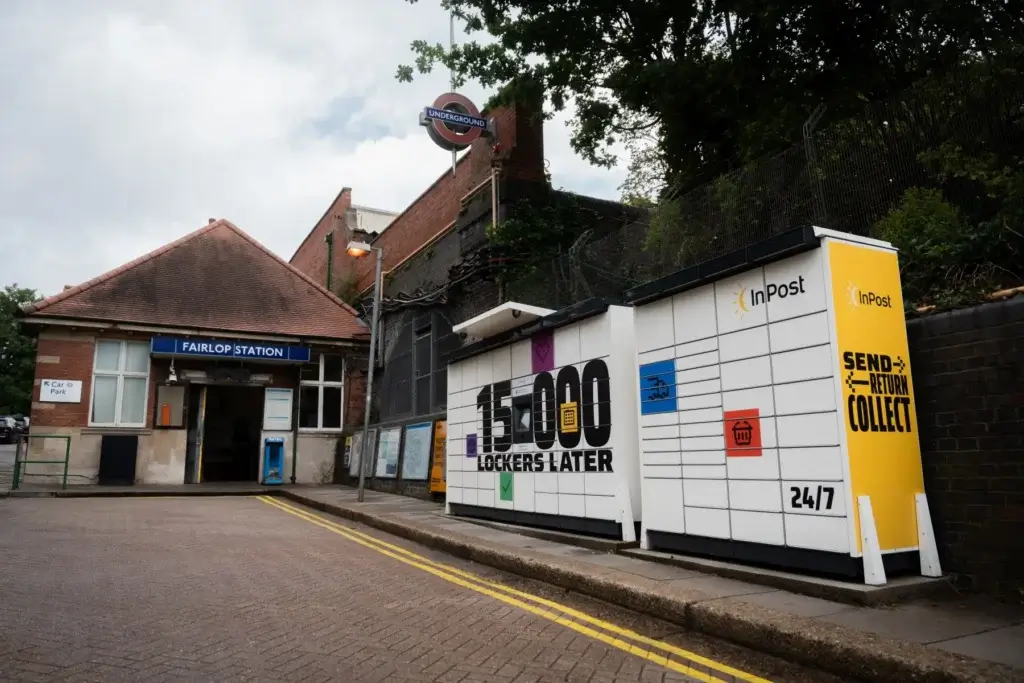
According to research commissioned by InPost UK, 44% of consumers plan to use parcel lockers to receive parcels this Christmas, up from 34% over the past three months. While the figures are presented as a seasonal trend, the scale of the increase suggests more than a short-term spike driven by festive shopping.
Failed deliveries: a hidden but costly problem
For parcel carriers, failed delivery attempts remain one of the most expensive inefficiencies in last-mile logistics. Missed home deliveries generate repeat drops, additional mileage, disrupted routes and higher fuel and labour costs — pressures that intensify during peak periods such as Christmas.
Higher locker adoption offers a direct way to reduce these inefficiencies. Delivering multiple parcels to a fixed locker location eliminates the risk of recipients not being at home, allowing operators to complete drops in a single attempt and plan routes with greater certainty. In practice, this means lower mileage per parcel, fewer repeat visits and improved delivery density, particularly in urban areas where congestion and access restrictions already limit productivity.
Read more: InPost makes strategic acquisition in the UK
Structural change rather than seasonal noise
While Christmas traditionally accelerates experimentation with alternative delivery options, the pace of change indicated by the data suggests a more structural shift. Locker usage for receiving parcels has risen by ten percentage points in a matter of months, while use of lockers for returns has also increased sharply, from 23% to 39%
For operators, this combination is particularly significant. Returns are among the most complex and costly elements of e-commerce logistics, often involving unplanned collections and fragmented reverse flows. Concentrating returns at locker locations can simplify routing and reduce ad-hoc collections, improving overall network efficiency.
Fewer stops, heavier drops
The growing role of parcel lockers is also changing the physical pattern of last-mile delivery. Instead of dozens of individual doorstep stops, drivers deliver higher parcel volumes to fewer locations. This has implications for stop duration, vehicle utilisation and fleet planning, especially in dense urban areas.
Concentrated locker deliveries can support the use of smaller electric vans or cargo bikes for final distribution, while reducing time spent searching for parking or dealing with failed handovers. For city-based operators facing rising costs and tightening environmental rules, this model offers operational advantages beyond peak-season resilience.
Pressure relief for drivers during peak periods
From a driver perspective, locker-based delivery reduces time pressure and uncertainty during the busiest weeks of the year. Dropping parcels at fixed locations shifts part of the delivery risk away from the driver, removing the need to synchronise arrivals with recipients’ availability.
This is particularly relevant in a labour market where driver availability remains tight. While lockers do not eliminate the need for drivers, they function as a productivity tool, allowing existing staff to handle higher parcel volumes with fewer failed attempts and less stress.
UK catching up with established European models
Parcel lockers have long been embedded in last-mile networks in countries such as Poland, where they form a standard part of e-commerce logistics. The current acceleration in the UK suggests a convergence with models already established elsewhere in Europe, with implications for international operators active across multiple markets.
As locker networks expand and become more integrated into delivery planning, they are likely to play a growing role well beyond the Christmas peak.
Pushed by operators, not just pulled by consumers?
The scale and speed of locker adoption raises a broader question for the sector: are operators actively promoting lockers because customers demand them, or because operational pressures leave little alternative?
With rising costs, urban constraints and peak-season volatility becoming structural features of last-mile logistics, parcel lockers increasingly look less like a consumer convenience and more like an operational necessity.





![Costs up 11%, rates up 5%: FarEye’s Suryansh Jalan on the hidden “inefficiency tax” in Europe’s last mile [INTERVIEW]](https://cdn-trans.info/uploads/2026/10/264940df8e8870b74281e69aeac-1024x769.webp)

