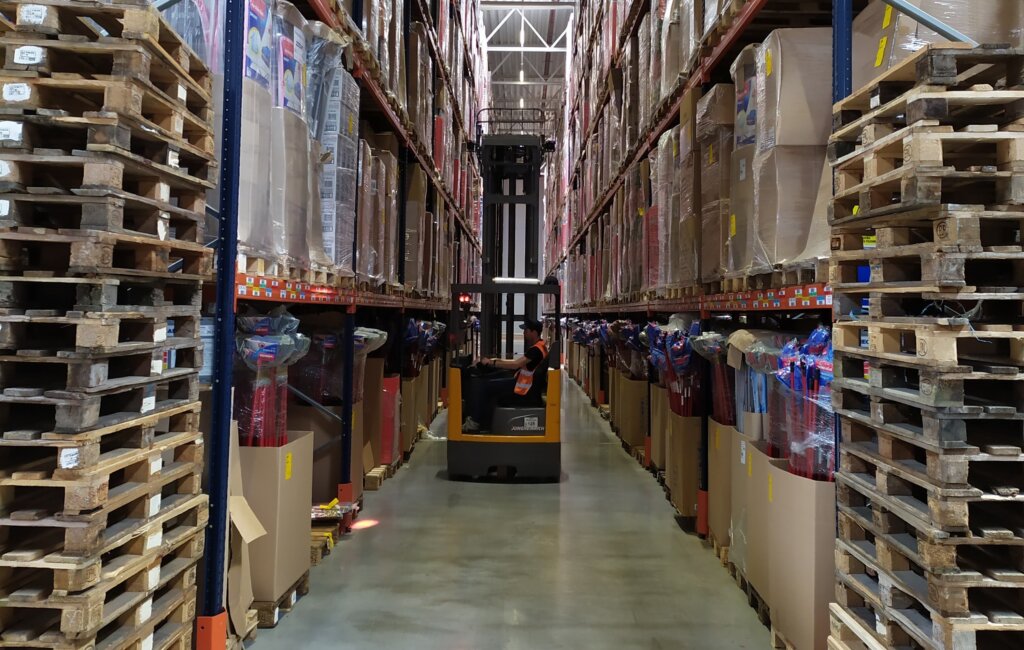
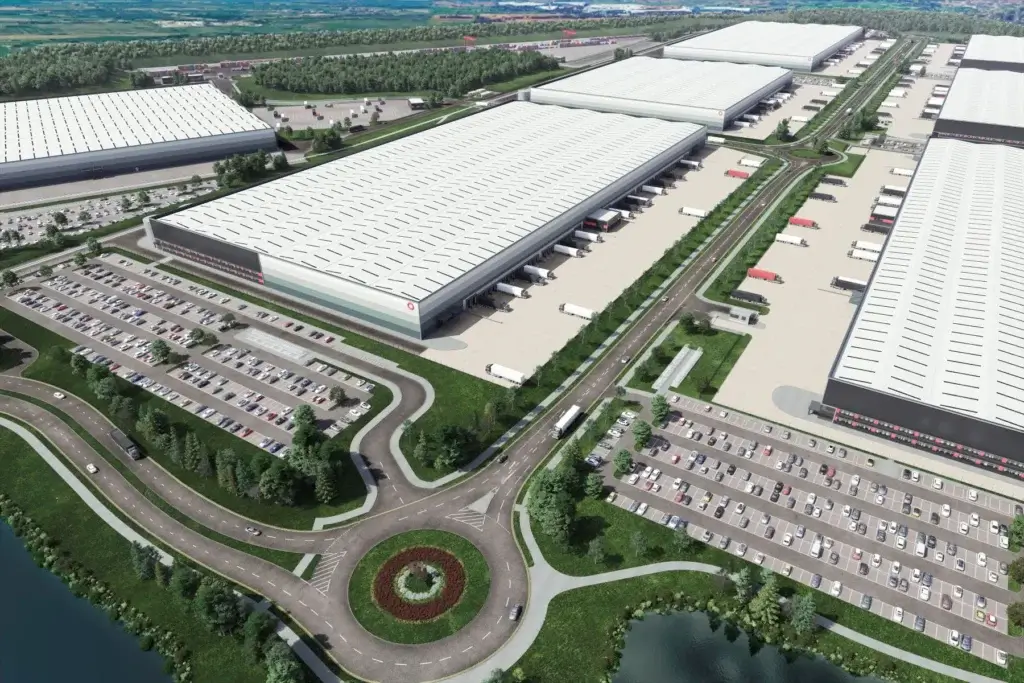
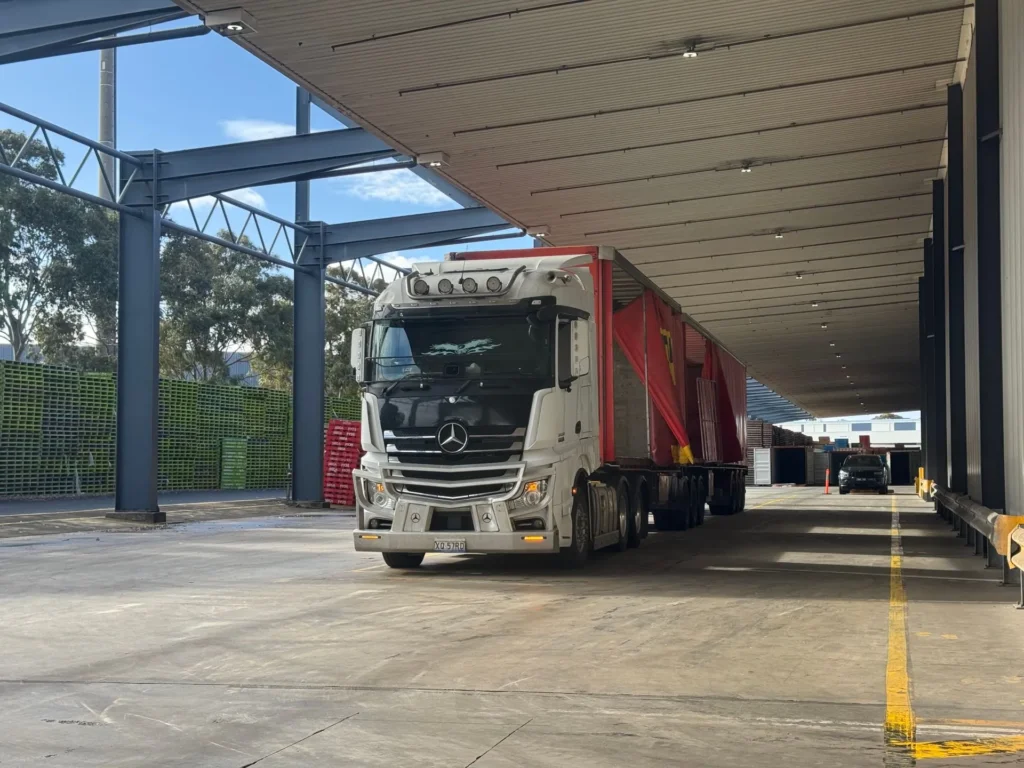
A long-running shortage of industrial and logistics space has cost the UK economy £9.7bn and 140,000 jobs since 2010, according to a new report by the British Property Federation and Savills. But the bigger story now is not simply that Britain has “too few warehouses”. It is that many firms still cannot find the kind of warehouse space they actually need.
The report argues that the market operated below a “healthy” availability rate for much of the 2010–2024 period, choking off business growth in key regions such as the Midlands, London and the South East. According to the study, demand for industrial and logistics space would have been 37% higher if supply had kept pace.
That is the headline-grabbing claim. But once you look beyond it, the picture gets more interesting. Britain is not simply running out of sheds full stop. Instead, the market increasingly seems split between older or secondhand space that is available and modern, well-located, high-spec units that occupiers actually want.
Plenty of space on paper but not the right kind
That mismatch is what makes this story more serious than a simple property-market complaint. CBRE said UK logistics take-up reached 25.6 million sq ft in 2025, up 22% on 2024, while the vacancy rate climbed to 7.1% in the final quarter of the year. On the face of it, that might suggest supply pressures are easing. But CBRE also said the rise in vacancy was driven mainly by secondhand stock coming back onto the market.
In other words, there may be more space available, but much of it is not ideal for today’s occupiers. Many firms now want buildings with better motorway access, stronger power supply, higher environmental standards and layouts suited to automation and modern distribution. Older stock may technically count as supply, but that does not make it attractive.
Savills’ own market view points in the same direction. In January, it said the UK logistics market had already passed its toughest phase, but there was still little sign of the kind of broad-based economic improvement that would trigger a strong new wave of expansion. In London and the South East, Savills reported that take-up surged 43% year on year in 2025, even as supply rose and the development pipeline shrank sharply. That is a sign of an active market, but also one where the best space is still fought over.
So the real problem may be less “Britain has no warehouse space” and more “Britain has the wrong warehouse space in the wrong places.” That is a much more useful way to understand what operators, investors and developers are dealing with in 2026.
The next squeeze may come from old stock becoming obsolete
The BPF/Savills report also points to another looming headache: building quality. It says 73% of existing industrial and logistics floorspace is below EPC B, which means a large share of current stock could become harder to let as energy standards tighten and occupiers become more selective.
That raises the prospect of a very British sort of paradox. On paper, vacancy may rise. In reality, businesses may still struggle to secure space that is genuinely usable. A cold, power-hungry, poorly connected or energy-inefficient warehouse is not much help to a modern logistics operator, even if it technically counts as available stock.
Britain may not just be suffering from historic underbuilding. It may also be heading into a fresh crunch in which a chunk of its older logistics stock becomes functionally obsolete just as demand shifts toward cleaner, smarter and more operationally efficient sites.
Planning is still the villain but not quite in the way campaigners say
Planning remains central to the argument. The BPF/Savills report says only 18% of major applications are decided within the statutory timetable used in the study, while 26% take more than a year. That supports the industry view that bringing forward new logistics schemes is too slow and too uncertain.
But the official figures are more nuanced. The UK government said that in England, 19% of major applications were decided within the statutory 13-week period in July to September 2025, while 90% were decided within 13 weeks or an agreed extension of time. That does not make the planning system look fast or simple, but it does show how different metrics can make the same problem look either catastrophic or merely sluggish.


![Costs up 11%, rates up 5%: FarEye’s Suryansh Jalan on the hidden “inefficiency tax” in Europe’s last mile [INTERVIEW]](https://cdn-trans.info/uploads/2026/10/264940df8e8870b74281e69aeac-1024x769.webp)