In an article published on 26 January, John Manners-Bell, chief executive of Ti Insight, argues that policies designed to protect workers, including minimum wage increases and expanded employment rights, are having the unintended effect of reducing reliance on human labour across supply chains.
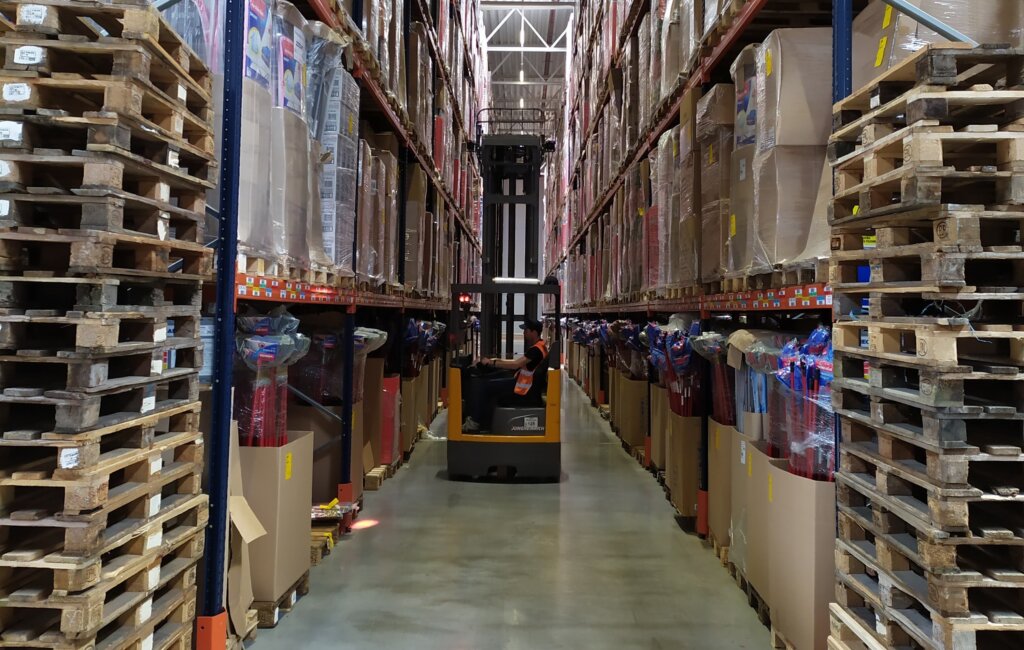
According to Manners-Bell, logistics providers previously had little choice but to absorb higher employment costs or pass them on to customers. Falling costs and wider availability of automation technologies have now given companies an alternative, allowing them to maintain or increase productivity while reducing workforce size.
“Rather than absorb ever rising employment costs, managers can make investment decisions which maintain or increase productivity whilst reducing labour forces,” Manners-Bell writes.
Ti Insight notes that this trend has long been visible in high-cost markets such as Germany and is increasingly evident elsewhere, including the UK, as automation becomes more affordable. However, the analysis warns that the shift favours large logistics groups with access to capital and technical expertise, potentially leaving small and medium-sized operators at a disadvantage.
Manners-Bell also questions whether automation will generate significant new employment. According to Ti Insight, manufacturing and maintenance of automated systems are likely to create relatively few jobs, while autonomous vehicles and AI-driven analytics could further reduce demand for both manual and white-collar roles in logistics.
Ti Insight concludes that governments will need to rethink labour and tax policies as businesses respond to regulation by accelerating the transition to low-labour operating models.