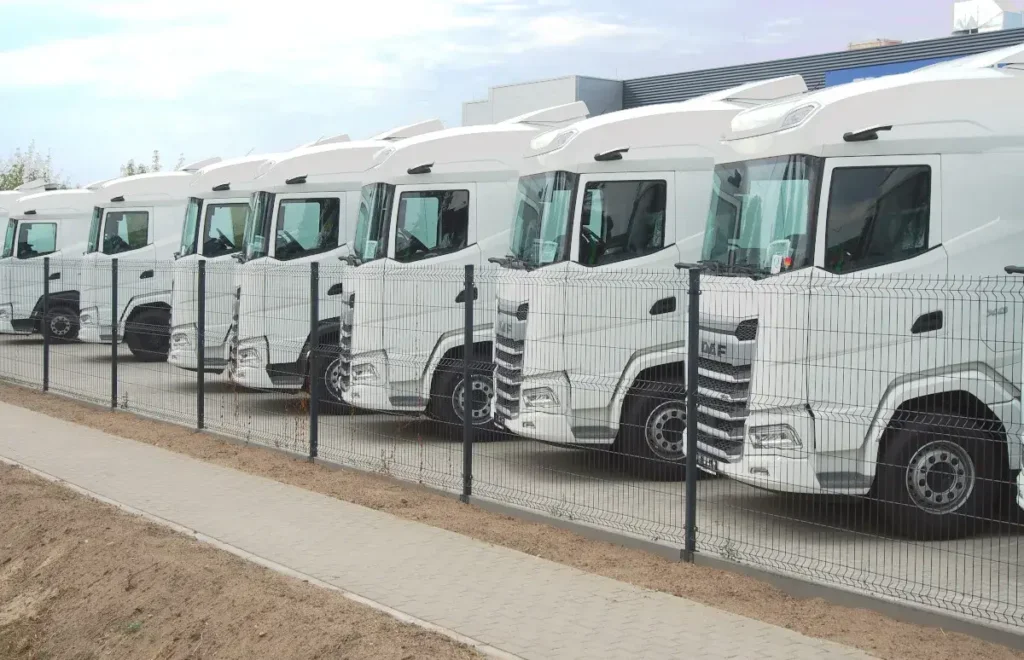
The first newly delivered vehicles are expected to enter service in early May, with the final units scheduled for early November. Replacements are scheduled weekly to maintain operational continuity.
At the end of 2025, the average age of vehicles in Waberer’s international transport operations was slightly above three years. After the 2026 replacement round, the company expects this to fall to around two years. The average age of the international trailer fleet is also expected to decrease further by the end of 2026.
Waberer’s previously reported that fleet rejuvenation between 2022 and 2024 reduced breakdowns by 39.15% and lowered recovery costs by 42.56%, from €1.35m to €776,000.

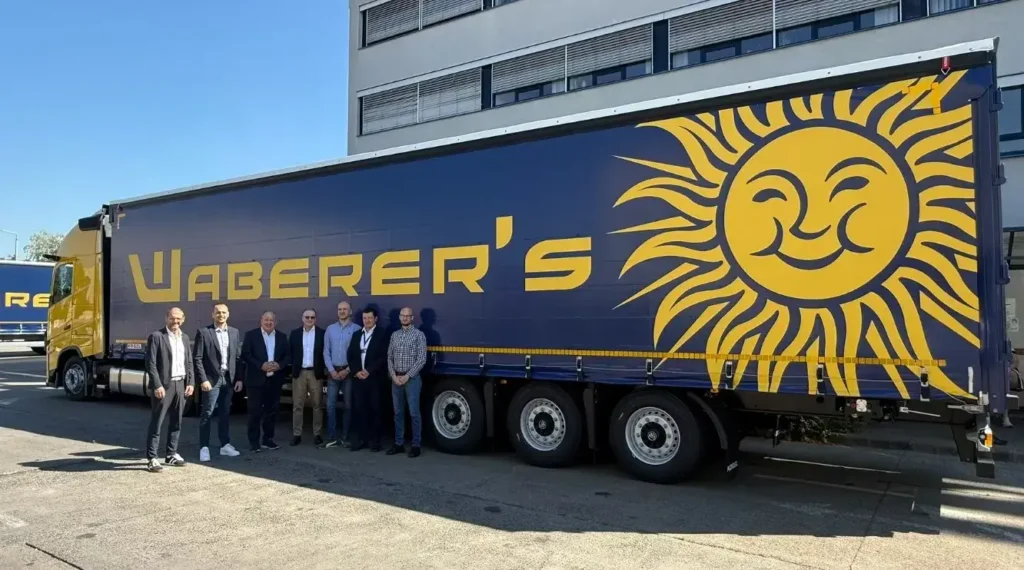
Waberer’s to replace 925 vehicles in 2026 – photo credits @ Waberer’s
In parallel, Waberer’s has been using the second-generation biofuel HVO100 in its international operations since 2023. The company says the fuel may reduce emissions by up to 90% compared with conventional diesel and can be used in existing vehicles. It also operates 30 alternative-driveline trucks, including electric and LNG-powered units, which have travelled more than 5 million kilometres.
The renewal programme also extends to rail logistics. From autumn 2026, Waberer’s rail logistics subsidiary, the PSP Group, plans to lease two newly manufactured, interoperable LEMA Transmontana electric locomotives, with the leasing investment put at around €6m over eight years.
According to the company, each locomotive has an output of 6,000 kW and can haul a total train mass of up to 4,050 tonnes, corresponding to 2,600–2,800 tonnes of payload on flat terrain. The locomotives are expected to operate in Romania, Hungary and Slovakia.
Waberer’s describes its total assets as including around 2,800 trucks and 160 buses, alongside 18 locomotives and more than 1,000 railway wagons, and 275,000 square metres of warehouse space.