The change does not mean the law has been softened, but rather a new approach to its application. Instead of an automatic financial penalty, the authority may – in certain situations – limit the response to a warning if it considers this adequate to the severity of the infringements and the circumstances of the case.
20 violations and more than SEK 50,000 in penalties
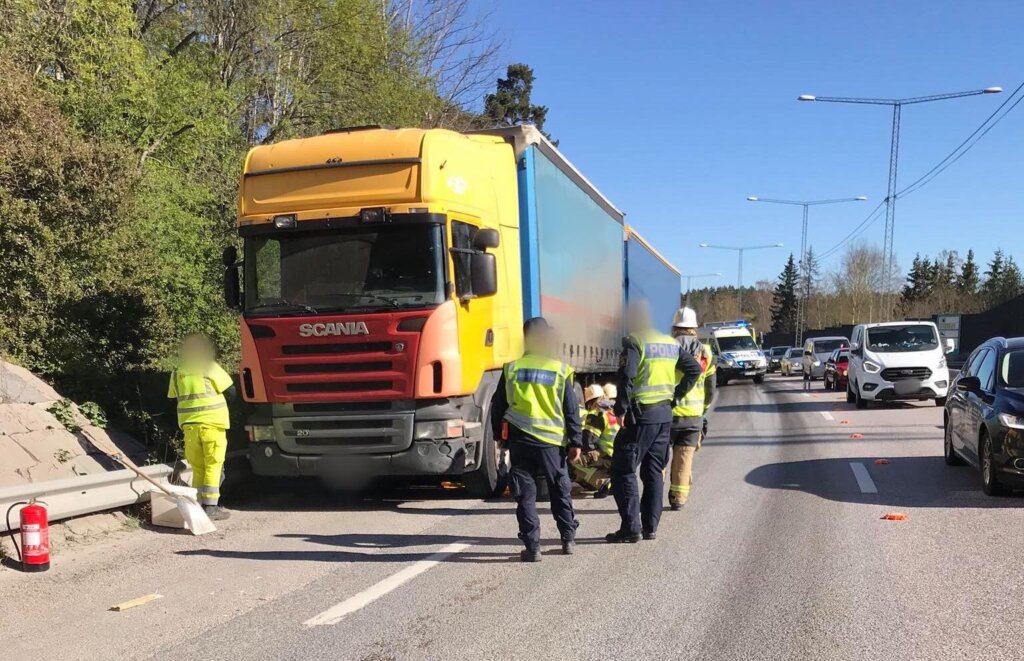
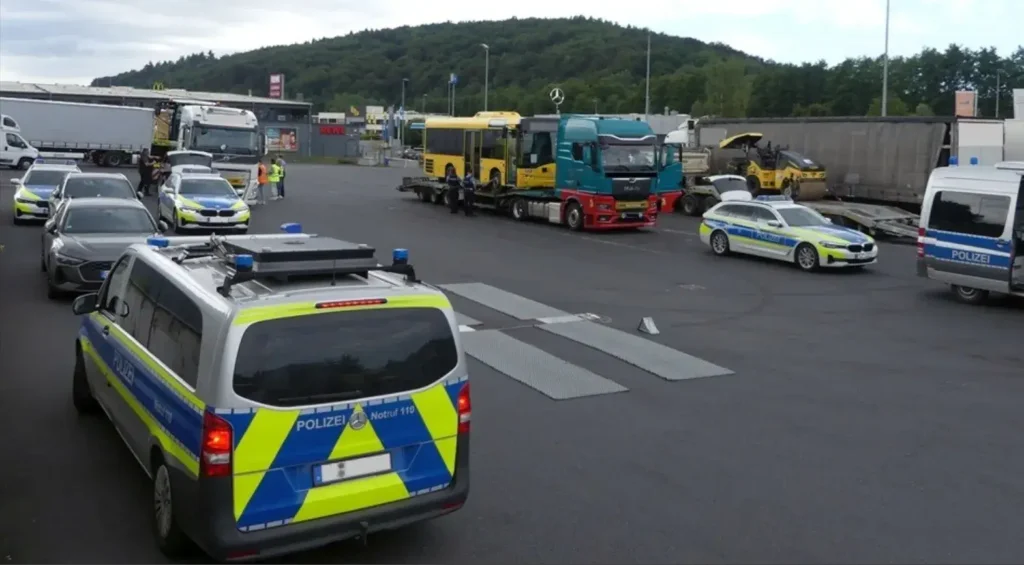
The case concerns a small transport company from the Västmanland region. The company inspection was carried out in the winter of 2024/2025. During it, a total of 20 violations of regulations on driving time and the use of tachographs were identified – reports the Swedish portal trailer.se.
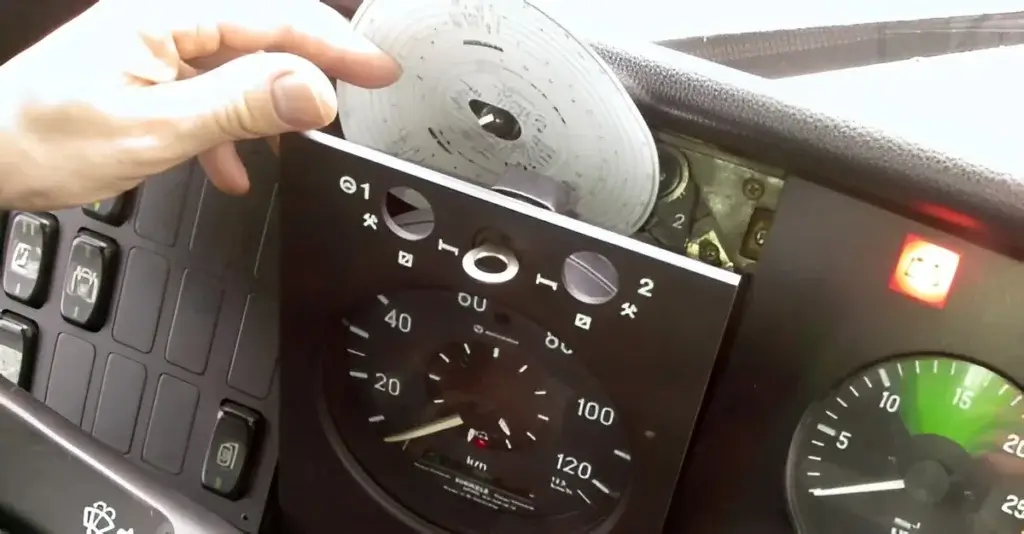
Among the irregularities were, among other things, missing driver card data for four days and five cases of driving with an unchecked tachograph. The inspector also pointed to other shortcomings, including incorrect handling of the driver card and switches, as well as failing to indicate the country where work started or ended.
The total value of the administrative penalty could have exceeded SEK 50,000 (approx. PLN 20,000). Nevertheless, Transportstyrelsen (the Swedish Transport Agency) concluded that, in this case, a warning would be a sufficient response rather than a financial penalty. The decision has become final.
According to the authority, this is one of the first decisions issued under the new regulations.
New enforcement rules from 1 January 2026
The change has been in effect since the beginning of 2026 and concerns how rules on driving time, rest periods and tachographs are enforced. The supervisory authority can now assess whether a financial penalty is justified in a given case, or whether a warning will be sufficient.
The new approach is a response to long-standing objections from the transport industry, which argued that the previous system was too automatic and did not always take into account the scale of infringements or their context.
The aim of the changes is to enable operators to genuinely understand the mistakes made and implement corrective actions, instead of being immediately burdened financially.
A warning does not mean no consequences
Although the decision to refrain from a financial penalty may be seen as a softer approach, the authority emphasises that a warning is also administrative in nature and carries consequences.
It may be issued in relation to a single infringement, a group of infringements, or as the outcome of an entire inspection procedure. Importantly, a warning affects the company’s risk rating, which is used in the European Union and the European Economic Area to select companies for inspections.
A higher risk level means a greater likelihood of further inspections.
Inspections may take longer
Implementing the new rules also means a change in inspection practice. Each infringement must be assessed individually in terms of its severity and the circumstances. This, in turn, may lengthen proceedings, at least in the initial period after the new regulations take effect.
According to the authority, this is part of building a uniform standard for applying the regulations, which in the longer term is expected to bring greater transparency and predictability for operators.
The regulations remain unchanged
It is worth emphasising that only the way the regulations are enforced has been modified, not the regulations themselves. EU standards on driving time, rest periods and tachographs remain in force unchanged and are intended to improve road safety, protect drivers’ working conditions and ensure fair competition.
The Swedish example shows, however, that the administration may try to balance safety objectives with the realities of how transport companies operate. For hauliers, this is a signal that even when infringements are identified, a more proportionate response from the authority is possible – provided that the scale of the shortcomings and the circumstances of the case allow it.