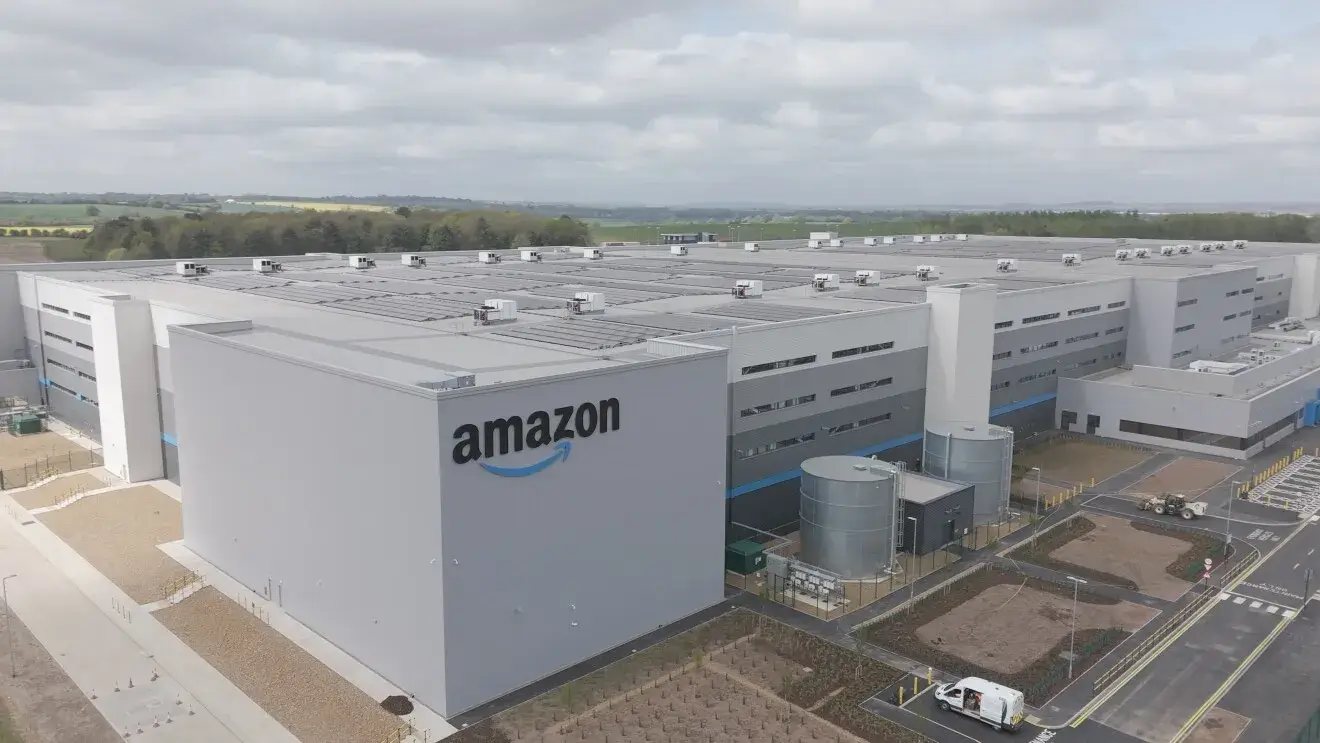

The new site in Kettering, Northamptonshire, is due to open this autumn. According to Amazon, the £500 million facility will cover 900,000 sq ft, or around 83,600 sq m, and will be able to process around 20 million items a week. More than 2,000 permanent jobs and hundreds of seasonal roles are expected to be created at the site.
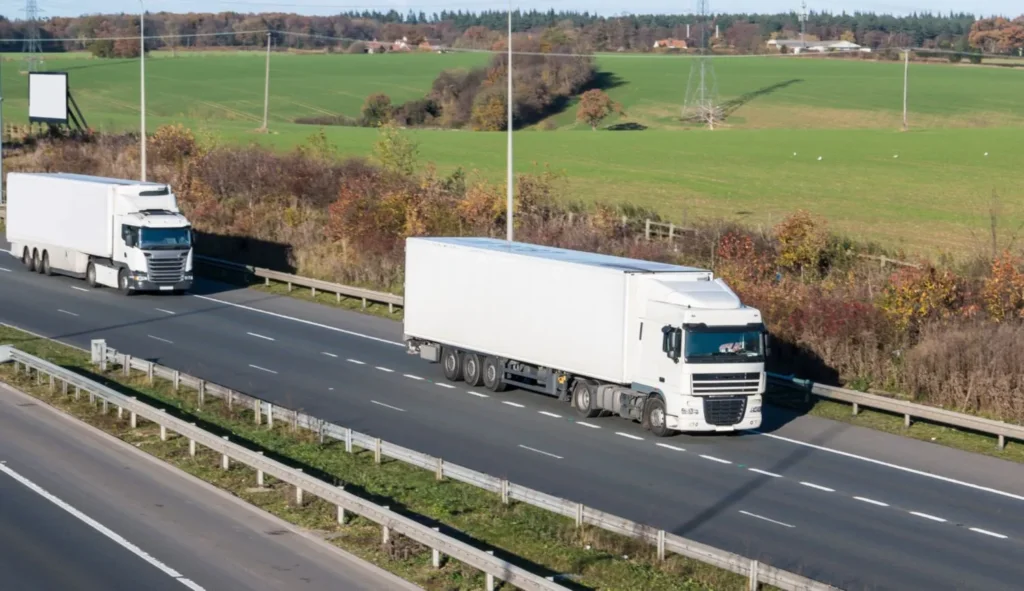
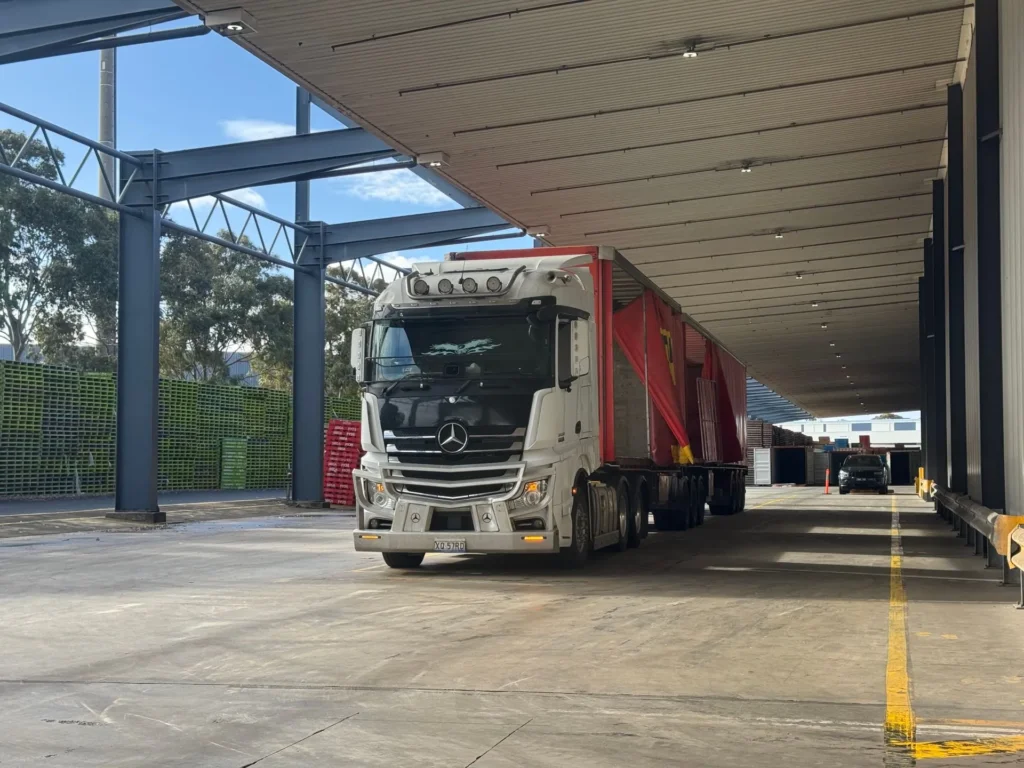
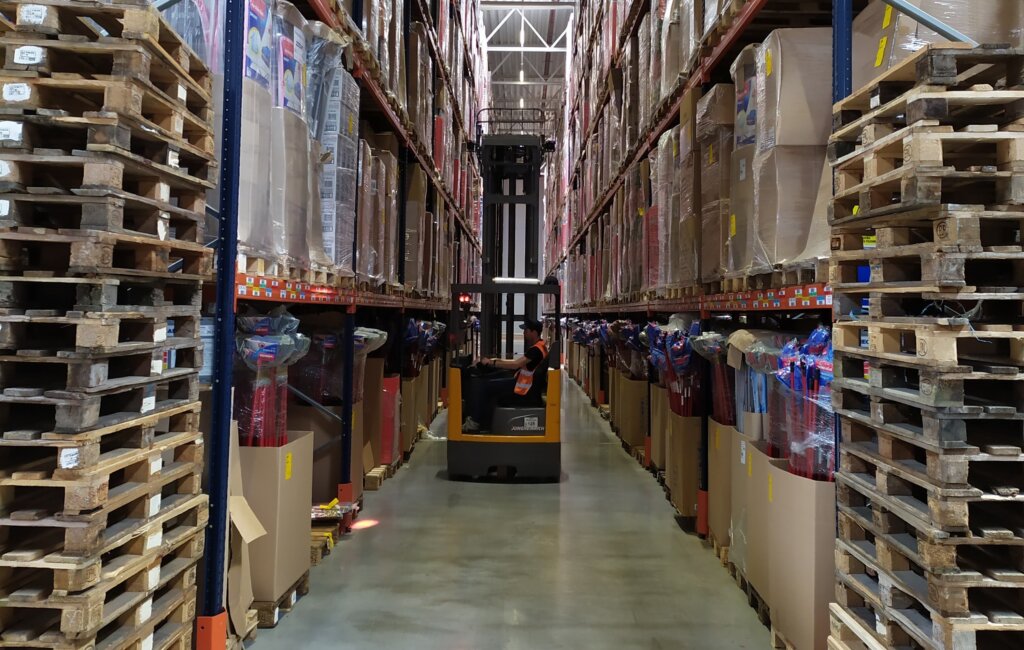
Unlike a traditional fulfilment centre, a cross-dock facility is designed to move goods rapidly through the network rather than store them for long periods. Products are received, sorted and routed onwards, helping Amazon move stock more quickly between suppliers, fulfilment centres, carriers and customers.
From warehouse space to faster stock flows
The Kettering project forms part of a wider £1 billion investment in Northamptonshire. Amazon has also opened a £500 million fulfilment centre in nearby Northampton, where more than 2,000 jobs are being created.
The Northampton site uses thousands of Hercules robots across three floors to retrieve products and bring them to employees, reflecting the company’s wider shift towards more automated fulfilment operations.
The Northamptonshire projects also sit within Amazon’s broader UK investment plan. In June 2025, the company announced plans to invest £40 billion in the UK between 2025 and 2027. The programme includes four new fulfilment centres, new delivery stations, upgrades to more than 100 existing operations buildings, transport infrastructure and data-centre investment. Amazon says more than £15 billion of that planned investment has already been delivered.
Other UK logistics projects announced or opened under the programme include a new fulfilment centre in Hull, a distribution centre in Peterborough due to launch this autumn, and a new delivery station in Stockton-on-Tees.
Amazon is also adding electric heavy goods vehicles to its UK transport operations. The company says it has started rolling out more than 160 electric HGVs in the UK, which it describes as the largest electric truck fleet in its global network.
The UK expansion is only one part of Amazon’s current European logistics push. Earlier this month, the company announced more than €10 billion of investment to expand and modernise its European fulfilment network, with a focus on robotics, automation and faster deliveries. The company says the programme will include 25,000 additional jobs across Europe over the coming years.
A central part of that programme is the wider use of robotics in fulfilment operations. Amazon has presented a new version of its Proteus robot, which is expected to arrive in Europe in the first half of 2027. Reuters reported that the current Proteus is already used at 25 sites in the United States, while the next generation is intended to operate across warehouse floors rather than only in dock areas.
Amazon has also shown STARK, a robotic tote-handling system first piloted in Barcelona, which is planned for 15 European sites by 2027.
A denser map of hubs, robots and same-day delivery sites
Amazon is also expanding its faster-delivery network. The company says it plans to launch more than 25 sub-same-day delivery locations across Europe this year, including in the UK and Germany. The model is based on keeping selected stock closer to customers so that orders can be delivered within hours rather than the next day.
In the UK, Amazon Now is already being piloted in parts of London and is due to expand to Manchester and Birmingham.
Several country-level investment plans show the same direction of travel. In France, Amazon plans to invest more than €15 billion between 2026 and 2028. The company says the plan includes new logistics centres, upgrades to the existing network, and cloud and AI investment. New distribution centres are due to open in Illiers-Combray, Beauvais and Colombier-Saugnieu in 2026, followed by Ensisheim in late 2027. Together, these sites are expected to create more than 7,000 permanent jobs.
In Poland, Amazon announced plans to invest more than €5 billion between 2026 and 2028. The programme includes a new robotic fulfilment centre in Dobromierz, Lower Silesia, which will be the company’s 12th fulfilment centre in Poland. Reuters also reported the investment as PLN 23 billion for the 2026–2028 period.
In Austria, Amazon has started construction of a new distribution centre in Enns, Upper Austria. According to ORF, the project is worth around €70 million and is due to start operating in spring 2027. The site will serve the Greater Linz area and surrounding region, with more than 100 direct jobs expected.
Germany has also been part of Amazon’s recent logistics expansion. In 2024, the company announced planned investment of €10 billion in Germany to support logistics, cloud infrastructure and research and development. At the time, Amazon said it was creating 4,000 jobs at three fulfilment centres: Horn-Bad Meinberg, Erfurt and Großenkneten.
Taken together, the recent announcements point to a more dense and automated Amazon logistics network in Europe. The company is investing in large national hubs such as Kettering, robotic fulfilment centres, last-mile and same-day delivery locations, and new regional distribution centres.
For the logistics market, the development means shorter delivery windows, more automation inside warehouses, and growing demand for transport networks that can support faster stock flows between fulfilment centres, sortation points, delivery stations and customers.