
B&M Retail has applied to vary its goods vehicle operator licence at Onyx 350 in Runcorn, Cheshire. The company wants to increase the number of vehicles authorised at the operating centre from 10 to 20, while keeping trailer authorisation unchanged at 50.
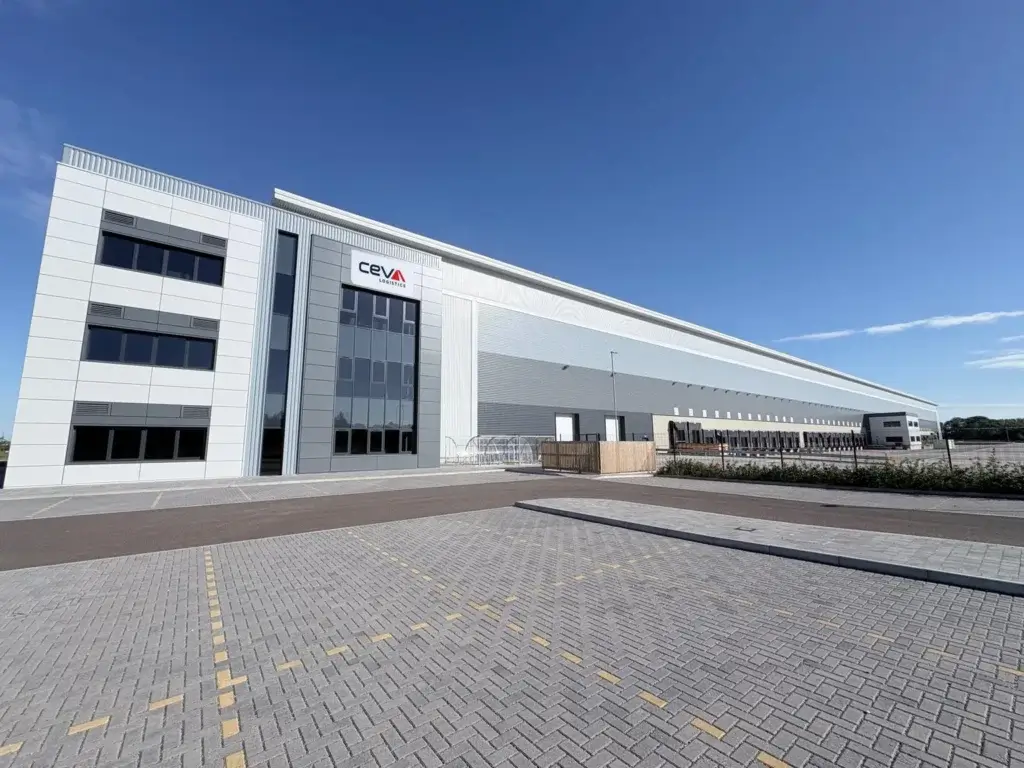
The application follows a major expansion of the Runcorn distribution site. Logicor completed a 112,000 sq ft extension for B&M in 2024, taking the facility to 455,000 sq ft and adding new yards, loading provision and 32 additional HGV parking spaces.
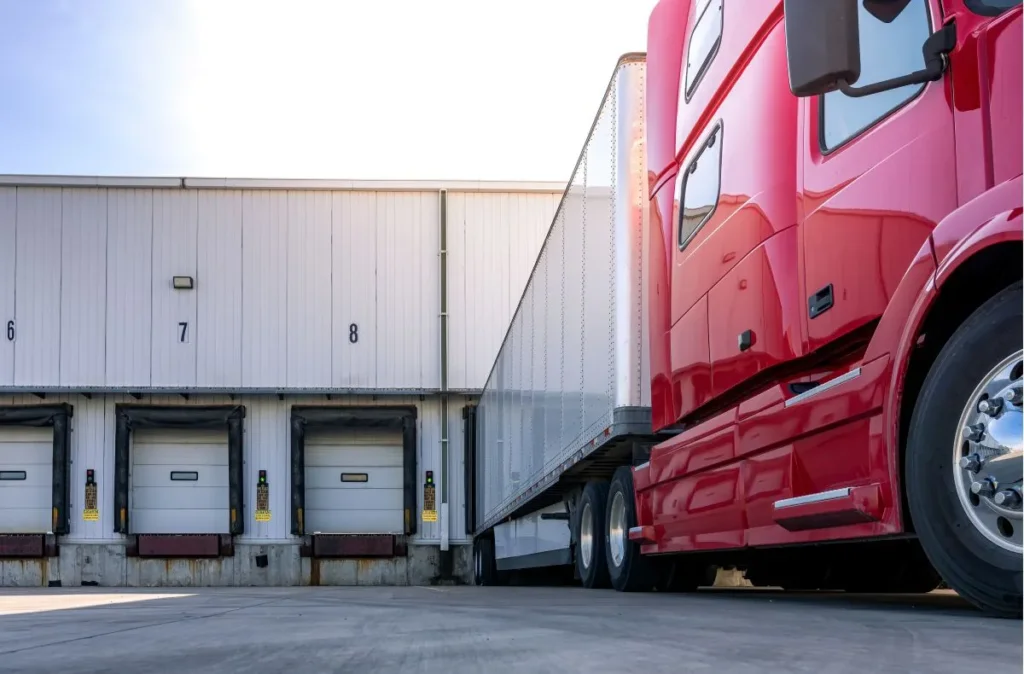
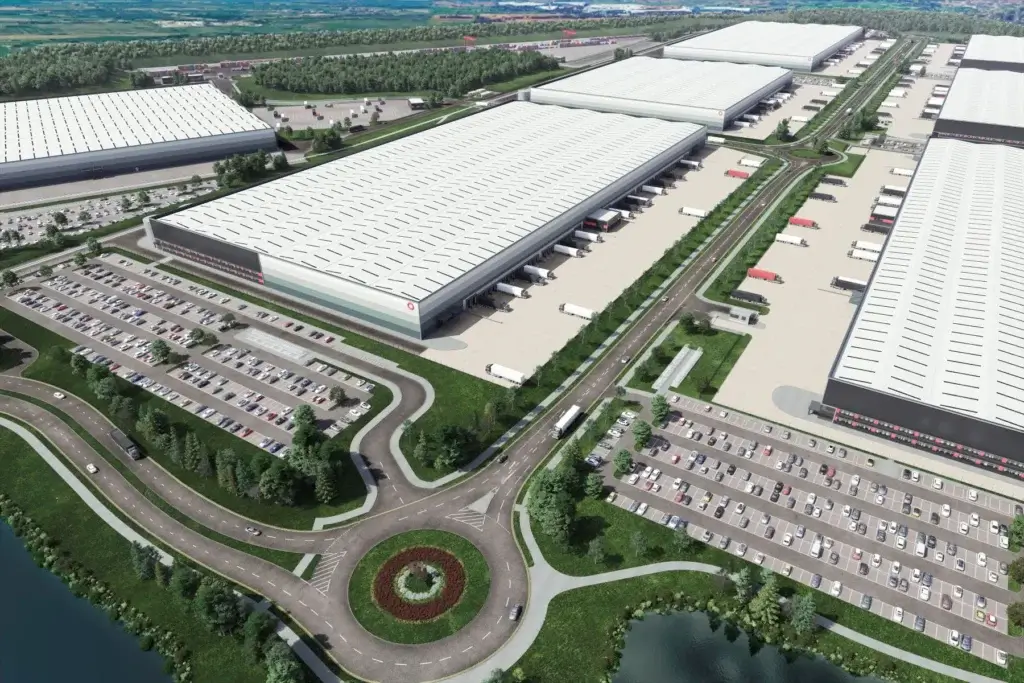
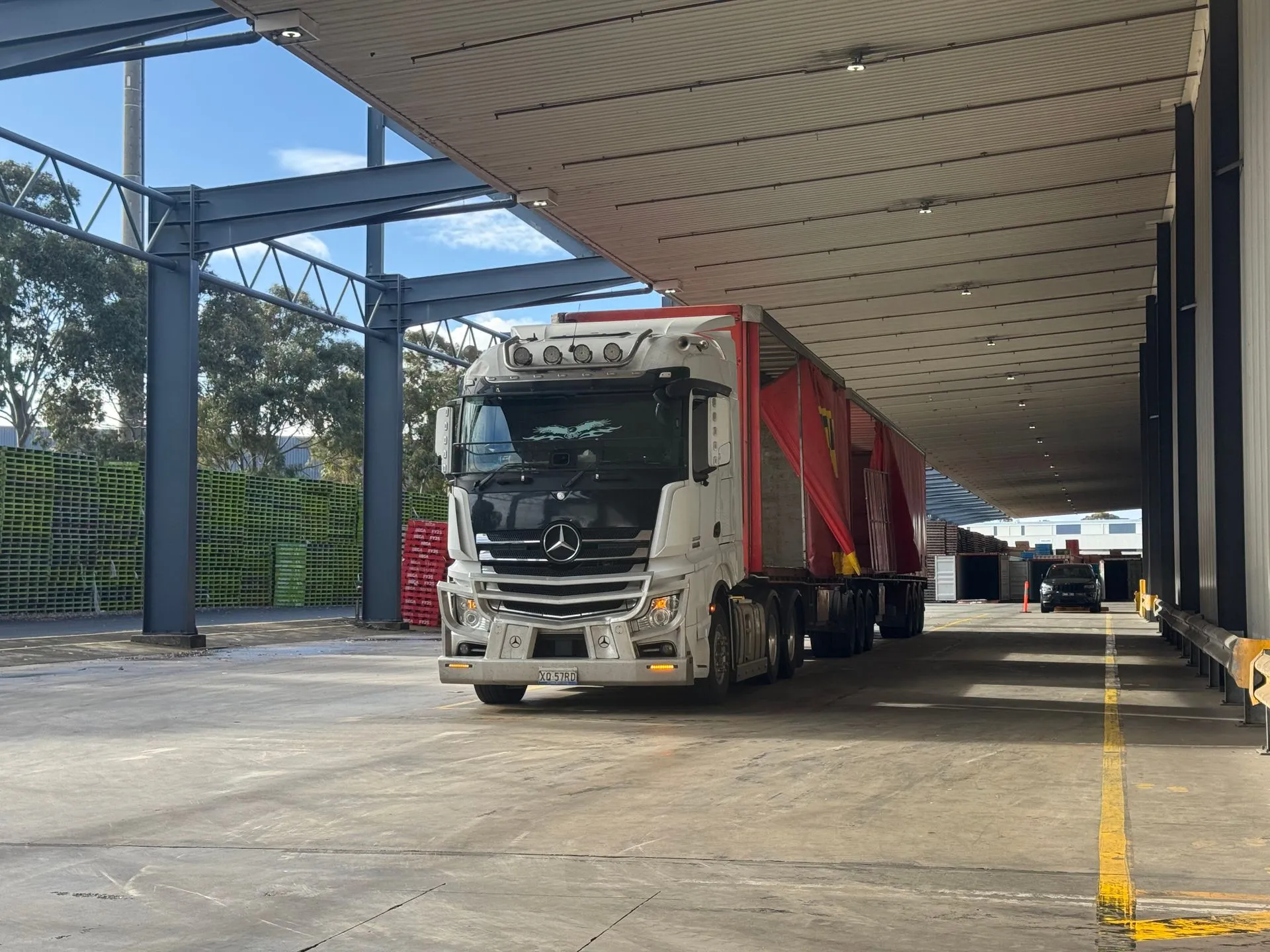
On paper, the latest application is modest: an extra 10 authorised HGVs at an existing depot. In practice, it illustrates a recurring pressure point in the UK logistics property market. Warehouses are not just measured in square feet. They also require yard space, loading docks, trailer parking, access routes, vehicle authorisations and enough local tolerance for more freight activity.
From warehouse expansion to vehicle authorisation
The Runcorn site has already been through the property and planning side of expansion. Logicor said the extension was designed to support the growth of B&M’s business in the North West. Earlier details of the scheme referred to new loading docks, level-access doors and extra HGV parking as part of the enlarged distribution operation.
The operator licence variation is a different question. Planning permission may allow the physical development of a site, but goods vehicle operator licensing deals with whether an operator may base a specified number of vehicles and trailers at an operating centre.
That distinction matters because it can bring logistics growth back into the public arena even after the warehouse itself has been approved and built.
In Great Britain, the Traffic Commissioners regulate goods vehicle operator licensing. The system is intended to ensure the safe and proper use of goods vehicles, fair competition and the protection of the environment around operating centres. For HGV operating centres, environmental suitability can include issues such as parking, access, noise and the effect on nearby land use.
This creates a separate layer of scrutiny for operators and landlords. A larger warehouse may be commercially viable and physically ready, but the transport operation still needs to fit within the licensing framework.
Why local objections matter
Operator licence applications and variations can attract representations from nearby landowners or occupiers if they believe the use or enjoyment of their land could be affected. In practice, concerns often relate to HGV access, noise, vehicle movements, reversing alarms, parking and operating times.
For logistics companies, this means expansion is not only a property or supply-chain decision. It is also a reputational and regulatory issue. A site that works well on a network map can still face pressure if the surrounding community believes local roads, junctions or residential areas are being asked to absorb too much freight activity.
The B&M case is not unusual in that respect. Across the UK, new and expanded logistics sites are increasingly judged not only on jobs, investment and supply-chain efficiency, but also on what they mean for local HGV traffic.
A wider UK logistics pattern
The timing is significant. After a more cautious period for the industrial and logistics property market, several property advisers expect demand for logistics space to remain resilient in 2026.
Lambert Smith Hampton has forecast UK industrial and logistics take-up of 44m sq ft in 2026, around 10% above 2025 levels. It identifies Chinese e-commerce, cold-chain demand and defence-related logistics as among the growth drivers.
Other market data points in the same direction, even where forecasts are more cautious. CBRE reported that UK logistics take-up reached 25.6m sq ft in 2025, 22% higher than in 2024, while JLL said big-box occupier take-up in 2025 was 27% above the long-term pre-Covid trend.
The result is not a simple return to the pandemic-era warehouse boom. Instead, demand appears more selective. Retailers, parcel operators, food logistics businesses and manufacturers are looking for sites that can offer the right location, labour access, power, yard depth and transport connectivity.
That selectivity can increase pressure on suitable sites. Where an established depot is already in place, occupiers may prefer to expand or intensify operations rather than move. But intensification can bring the same question back each time: how many HGVs can the site reasonably support?
Other flashpoints
Recent local disputes show how quickly warehouse development and HGV activity can become politically sensitive.
At Astley Business Park in Greater Manchester, Whistl’s plans to operate up to 60 goods vehicles and 95 trailers from a new logistics site have drawn local concern, according to regional reporting. The wider business park scheme has also prompted scrutiny from residents over planning, traffic and local impact.
Such cases underline the difference between national logistics demand and local acceptance. At national level, more warehousing may be presented as essential infrastructure for retail, e-commerce, manufacturing and resilience. At local level, the debate often becomes more immediate: road safety, noise, traffic flow, night-time movements and whether promised mitigation is enough.
The next constraint on logistics growth
The UK logistics debate often focuses on land availability, rents, planning delays, grid connections and labour. HGV operating-centre capacity deserves a place in that discussion too.
For hauliers, retailers and warehouse occupiers, the ability to base vehicles and trailers at the right site is a practical condition of growth. For local authorities and communities, the same issue can look like more heavy traffic on already pressured roads.
That tension is unlikely to disappear. The more logistics networks depend on larger regional hubs, faster replenishment and high-volume retail distribution, the more attention will fall on the operating centres that support them.
B&M’s Runcorn application may be small in national terms. But it captures a bigger shift: in UK logistics, the question is no longer just whether new warehouse space is needed. It is also where the lorries go, how many are authorised, and how far local communities are prepared to accommodate the freight activity behind modern retail supply chains.