The votes, held on 6 May 2026, set Parliament’s position on the EU Roadworthiness Package and on changes to the Eurovignette directive, the bloc’s road-charging framework for HGVs. Both texts still need approval at a plenary vote before negotiations with the Council and Commission can start. Entry-into-force dates have not been set.
For operators running vans, lorries or buses across the EU, and for UK fleets crossing into it, the main effects of the committee’s position are:
- Cars and vans more than ten years old will continue to be inspected every two years, not annually as the Commission had proposed.
- Vans will be brought into the roadside inspection regime alongside cars, motorcycles, lorries and buses.
- Remote emissions sensing can be used to pre-screen vehicles for follow-up checks, but not to issue automatic penalties.
- Cargo-securing visual checks remain non-mandatory.
- Vehicles found with dangerous defects can be re-tested either where the issue is detected or in the country of registration.
- Member states will be able to grant temporary toll discounts of up to 75 per cent for zero-emission, low-emission and CO₂-neutral-fuel HGVs.
- Where trailer data is unavailable, tolls will be charged on the motor vehicle alone.
No annual test for older vans
MEPs rejected the Commission’s plan to shorten the technical inspection interval from two years to one year for cars and vans older than 10 years. The committee said the change was not proportionate and was not supported by evidence that it would reduce accidents.
The International Road Transport Union (IRU) said the vote also removed mandatory annual emissions testing for vans and avoided extra testing obligations tied to the additional weight of zero-emission powertrains.
“Zero-emission vans should not face stricter testing simply because of the weight of their batteries or other technologies,” IRU EU Director Raluca Marian said.
Remote sensing limited to pre-screening
The committee backed a narrower role for remote emissions sensing than the Commission had proposed. The technology can flag potentially high-emitting vehicles for further inspection, but cannot trigger penalties on its own.
For operators, the key point is that a remote reading would not in itself become a fine; it would be a trigger for a further check.
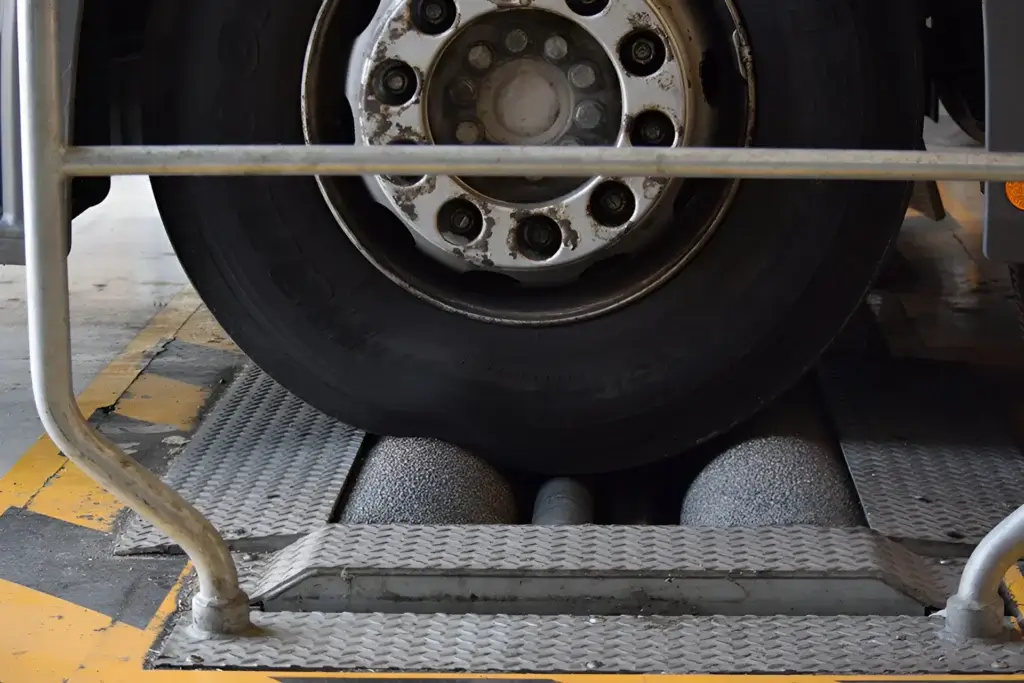
Roadside inspections will still apply to cars, motorcycles, vans, lorries and buses, and any vehicle flagged by remote sensing as a likely high emitter would face a follow-up technical check.
Cargo-securing checks stay non-mandatory
Visual cargo-securing checks would remain non-mandatory under the committee’s text. Vehicles failing inspection with dangerous deficiencies could be re-tested in the country where the defect is found or in the country of registration, which IRU said should help cross-border work.
Other points remain open in talks with member states, including the temporary suspension of roadworthiness certificates, fuel quality checks and crisis arrangements.
Up to 75% toll cuts for cleaner HGVs
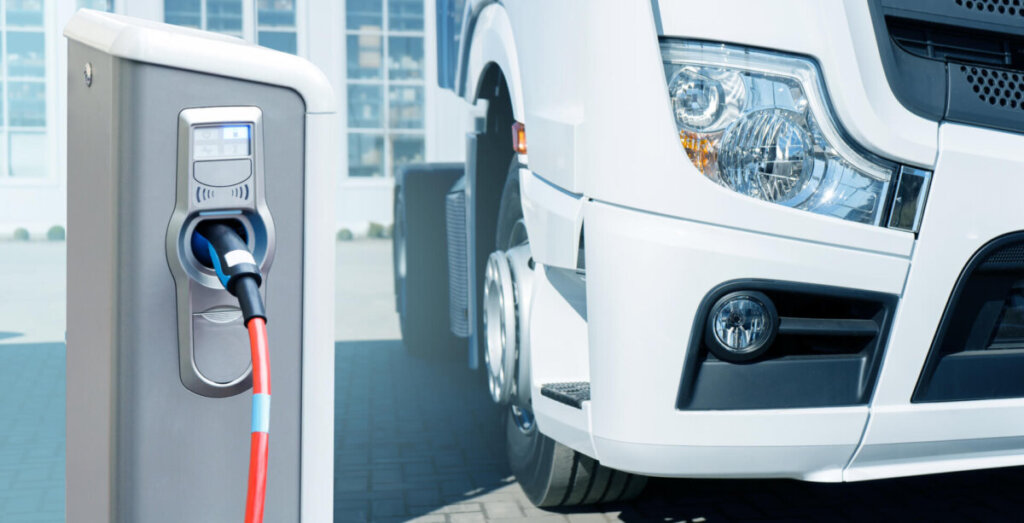
In a separate vote, the committee backed amendments to the Eurovignette rules covering heavy-duty vehicles with trailers. Member states would be able to grant temporary toll reductions of up to 75 per cent for zero- and low-emission vehicles and for those running on CO₂-neutral fuels.
The text clarifies the treatment of trailers and semi-trailers, simplifies CO₂ classifications and improves mutual recognition between member states. Where trailer data is unavailable, tolls would be charged on the motor vehicle alone. Auxiliary technologies such as electrified refrigeration units are also recognised.
ETSC: vans in, but checks too weak
The European Transport Safety Council (ETSC) called the roadworthiness vote a missed opportunity. While it welcomed the inclusion of vans in roadside inspections, ETSC criticised the way remote sensing could be used in place of physical roadside checks, warning that member states could rely on the technology for up to 20 per cent of the van fleet instead of carrying out roadside inspections.
ETSC said remote sensing detects emissions but cannot find faulty brakes, tyres, lights or suspension.
“Vans are rightly being brought into the roadside inspection system, but member states must not be allowed to replace real checks with remote sensing alone,” ETSC Policy Director Ellen Townsend said.
Transport & Environment, BEUC, ClientEarth and the European Environmental Bureau had also argued before the vote that weakening the remote-sensing provisions would reduce air-quality gains, pointing to the disproportionate share of NOx emissions linked to a small fraction of vehicles.
Once finalised and implemented, the rules will also matter for UK-registered lorries, vans and buses operating in EU territory, as they will be subject to the inspection and toll regimes of the member states they drive through.
The committee positions move to a plenary vote in the European Parliament. If confirmed, MEPs will negotiate the final text with member states and the Commission. The plenary date and the trilogue timetable have not been published.