The Mobility Package changes are meant to bring parts of light commercial transport under a similar compliance framework to heavy goods vehicles. To avoid a last-minute rush at workshops, some companies are installing equipment ahead of the deadline. As a case highlighted by Auto Świat shows, getting ahead of the curve can backfire — especially when enforcement abroad follows a different interpretation.
If it’s fitted, Germany expects it to be used
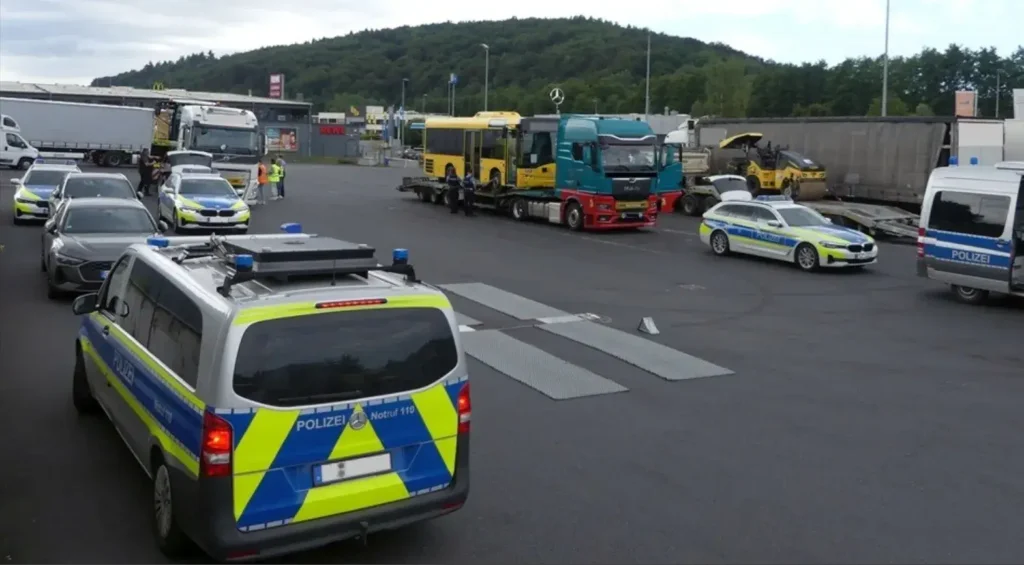
Jacek, who runs a small transport firm, decided to equip his vans with second-generation smart tachographs in April 2026. The goal was simple: beat the queues before the 1 July requirement kicks in.On a run through Germany to the Netherlands, he was stopped by motorway police together with BALM inspectors.
“The van is almost new and had just been serviced. I expected everything to be fine. Instead, they focused on the brand-new tachograph,”
The issue wasn’t the installation itself — it was that the tachograph was in the vehicle, but not being used. The driver wasn’t using a driver card, because (based on information published, among others, by GITD) the obligation for vans up to 3.5 tonnes was understood to apply only from July 2026.
German authorities, however, apply a different approach. Under Germany’s driver personnel regulation (Fahrpersonalverordnung, or FPersV), if a tachograph is already installed in the vehicle, it must be switched on and used in line with the rules.
Read more: Tachograph for vans from 1 July 2026: obligations, penalties and practical fleet preparation
Fine issued despite the EU deadline not yet applying
According to the driver’s account, the stop ended with a €250 fine. He also worries the company could face further administrative consequences.
“I tried to be sensible and not leave everything until the last minute — and that’s what got me punished,”
Similar stories have been appearing on industry forums. Some operators say they’re deliberately waiting until the final weeks before the new rules take effect — precisely because they fear how German roadside enforcement will interpret an early installation.
From July 2026, vans will be treated more like trucks
The new requirements will cover vehicles with a gross vehicle weight between 2.5 and 3.5 tonnes used in international road haulage. This is part of the Mobility Package rollout and changes linked to Regulation 561/2006.
From 1 July 2026, companies running vans in international operations will have to follow driving and rest time rules similar to those already applied to truck transport. Second-generation smart tachographs (G2V2) will become mandatory.
Buying and fitting the new tachograph is only one of several steps that need to be completed by the end of June 2026. Companies will also need to:
- obtain driver cards and company cards,
- train drivers and office staff,
- put working-time settlement procedures in place,
- prepare systems for data downloads and archiving.
The tachograph itself costs around one thousand euro, not including installation. One challenge is that many vans are not factory-prepared for G2V2 equipment.
Experts warn that some businesses may scale back international activity — or even exit van-based transport altogether.
Foreign roadside checks are another risk. The German example suggests that installing a unit early, without fully preparing procedures and drivers, can result in fines even before the mandatory deadline arrives.
Germany’s approach may signal what’s coming
For months, German enforcement has been carrying out intensive checks on international light transport, particularly vehicles registered abroad. Companies preparing for the new regime should consider not only EU timelines, but also how rules are applied locally on the road.
This case shows that in practice, an early installation can effectively bring obligations forward — well ahead of 1 July 2026. For some operators, the safest approach may be not just careful scheduling of installations, but also earlier training and operational changes so operators can run their vans under compliance standards already familiar from heavy goods transport.