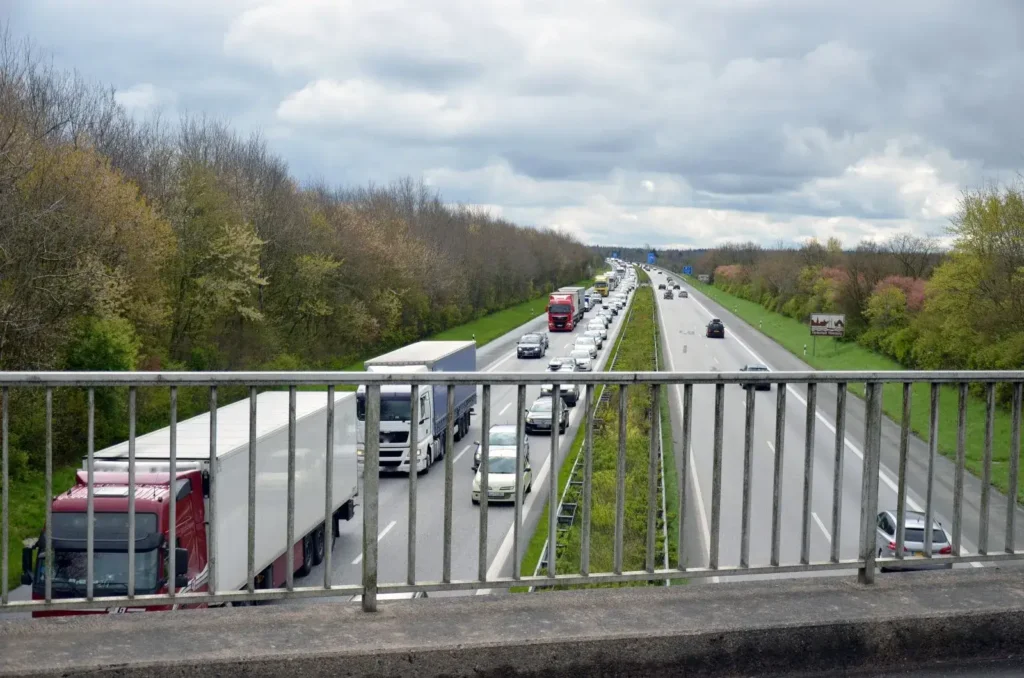
NDR, a German TV channel, recently broadcasted a report on behind-the-scenes of transport. “7 days with truck drivers” is about their habits, dilemmas and daily toil.
NDR reporters spent a week with truckers. They experienced their stress on the road, learned about their problems and worries. They showed the audience the bright and the dark side of working in transport.
Most people don’t realise that over 70% of goods transport is done by trucks. Most of them do not understand how needed and unappreciated are truck drivers. That’s a mistake. If not for them, you wouldn’t be able to buy your favourite bread for breakfast, there would be no petrol on stations, drugs in pharmacies… and a lot more. There’s a lot of reason for why the image of a trucker is not one of the most positive ones, not only in Poland but also in Western Europe.
To understand the behaviour of truckers and learn about their meaning for the economy, you just have to spend a few days with them… or watch the program.
One of the heroines is Rinet who has been working as a driver for 17 years. Freedom is what she loves the most about her work. Her truck is called Sonja. She decorated her cab in the same way people decorate their flats. She made the cab curtains herself. She feels safe in the cab. It’s basically her house with “kitchenette, bathroom, office and wardrobe for clothes”. She complains about the poor image of truckers in Germany. She doesn’t have many friends as everyone believes this occupation is below her dignity. She says that most of the society believes that truckers are stupid. Remorsefully, Rinet tells about having to opt out of participating in the upbringing of her daughter who, from 16 years of age, could not count on her support and daily presence.
Another trucker talking about herself and her experiences is Iris who has been working in transport for 28 years. Her father was also a truck driver. Ever since she remembers, for her it was obvious that she will be a trucker despite the fact that a woman behind the wheel of a truck was rare back then.
Iris feels similarly to Rinet:
“They look down at us in companies and ports. Even though without us supermarket shelves would be empty without us”.
Photo: Flickr