
The bankruptcy applies only to TTN Trucking AS. The owner says Thermo-Transit — which focuses on moving seafood and other fresh goods across the Nordic region — continues to operate. This was reported by Norwegian business outlet e24.no, citing court filings and the administrator.
Tax claim proves decisive
E24 reports that a key trigger was a tax claim of about 75.6 million Norwegian kroner (around 28.8 million złotych), issued to the company in 2024.
The amount includes roughly 49.6 million Norwegian kroner in employer social security contributions, plus about 26 million Norwegian kroner in additional tax and tax penalties.
The dispute concerns settlements for 2018–2023. Until 2024, TTN Trucking’s registered office was in Alta — an area covered by a special relief scheme for businesses operating in Finnmark and Nord-Troms, where employers can benefit from preferential contribution rules.
Norway’s tax administration, however, concluded that the company’s actual operations, management and workforce did not have a sufficient link to Alta, and therefore TTN Trucking was not entitled to use the preferential arrangements.
TTN Trucking appeals the tax decision
TTN Trucking chief executive Mirza Sabanović said the company rejects the tax authority’s position and has filed an appeal.
He said the claim had immediate financial consequences even though the appeal process is still ongoing.
According to Sabanović, the scale of the tax demand combined with the company’s overall debt meant TTN Trucking, as a separate legal entity, could no longer continue operating.
Liabilities of around 202 million Norwegian kroner and failed restructuring
The administrator states that total liabilities stand at around 202 million Norwegian kroner (around 77 million złotych). Of this, about 110 million Norwegian kroner (around 42 million złotych) is owed to other entities within the same corporate group.
For roughly nine months, the company had been going through a restructuring process. The proposal assumed unsecured creditors would receive 60% of non-preferential claims, while the remaining 40% would be written off.
The plan did not secure the required support. Creditors voted it down, with the Norwegian tax office — the largest creditor — among those opposing it.
The administrator also notes that the company was loss-making even without the tax claim. In addition, TTN Trucking’s only customers were companies within the same group.
Job cuts were not enough to avert bankruptcy
During the restructuring, TTN Trucking reduced headcount significantly.
At the start of the process, it employed more than 100 people. According to the administrator, 44 employees remained by the time bankruptcy was declared. Earlier data from Norway’s business register suggested that in May the company still employed 89 people.
Thermo-Transit says operations continue
The owner of TTN Trucking emphasises that the bankruptcy of the subsidiary does not affect Thermo-Transit’s operations.
Sabanović said operational teams are still running transports and the company continues to serve customers under existing contracts.
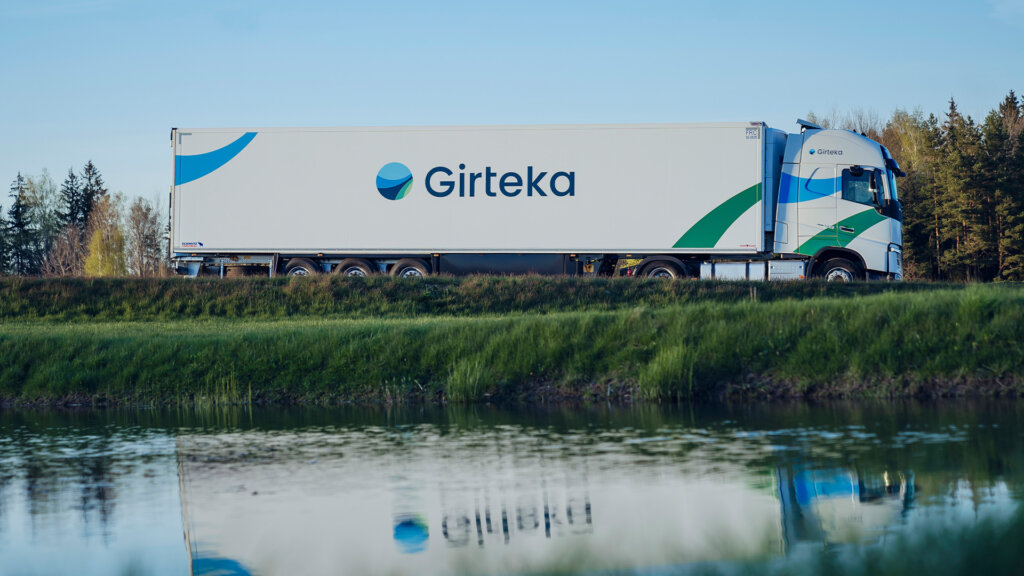
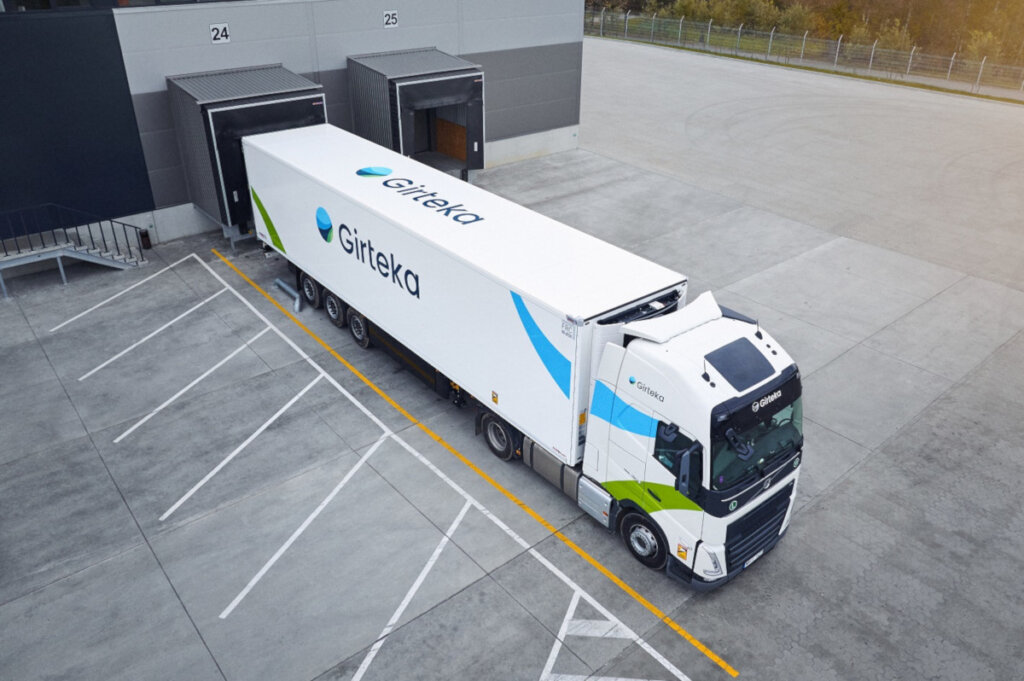
Thermo-Transit specialises in fresh-goods transport — especially seafood — across the Nordic markets. The business has been part of the Lithuanian group Girteka for several years, one of Europe’s largest road transport operators, operating in a market also shaped by a structural driver shortage.
Girteka reshapes its Nordic setup
Alongside the bankruptcy of the Norwegian entity, Girteka has introduced organisational changes for its Nordic operations. From 1 July, the group has consolidated management of its Scandinavian activities. Pavel Kveten, previously head of Girteka Logistics, was appointed to lead “Girteka Nordic”, replacing Marius Čatrauskas.
The company says the changes are intended to simplify management, strengthen links between regional teams and improve coordination across the group, with a focus on temperature-controlled freight (including seafood) and high-value cargo that are particularly important in Scandinavia.
Operators across the region are also facing rising compliance risks as enforcement intensifies, including tougher action against tachograph fraud.
At the same time, the sector’s ability to stabilise operations increasingly depends on how companies retain and acquire drivers in a tight labour market.