The UK truck industry is warning the government against a car-style zero-emission vehicle mandate for heavy goods vehicles, arguing that the road freight transition needs a more flexible approach.
The Society of Motor Manufacturers and Traders says manufacturers are already offering more than 40 zero-emission HGV models in the UK, but demand remains weak because many operators still face high upfront vehicle costs, expensive depot upgrades, rising energy prices, long grid-connection waits and limited public charging.
According to SMMT, just 0.9% of new HGV registrations so far this year have been zero-emission, down from 1.4% in 2025. In the first quarter of 2026, zero-emission HGV registrations fell by 16.5% year on year, while the overall new HGV market declined by 2.7% to 9,471 vehicles.
The figures leave the UK truck market far behind the pace needed for the government’s current decarbonisation timetable, under which new non-zero-emission HGVs up to 26 tonnes are due to be phased out from 2035, with heavier vehicles following in 2040.
More models, but fewer buyers
SMMT says the problem is no longer simply vehicle availability. The industry body says truck makers now offer more than 40 zero-emission models across a market that includes more than 70 specialist HGV segments, including tractor units, tippers, tankers, concrete mixers, refuse trucks and other vocational vehicles.
However, the organisation argues that each of these segments has different duty cycles, payload demands, routes and charging requirements, making a single regulatory route unsuitable for the whole market.
In its latest update, SMMT said the sector is committed to decarbonising road freight, but added that the transition must be “realistic, affordable and capable of delivering carbon reduction now”.
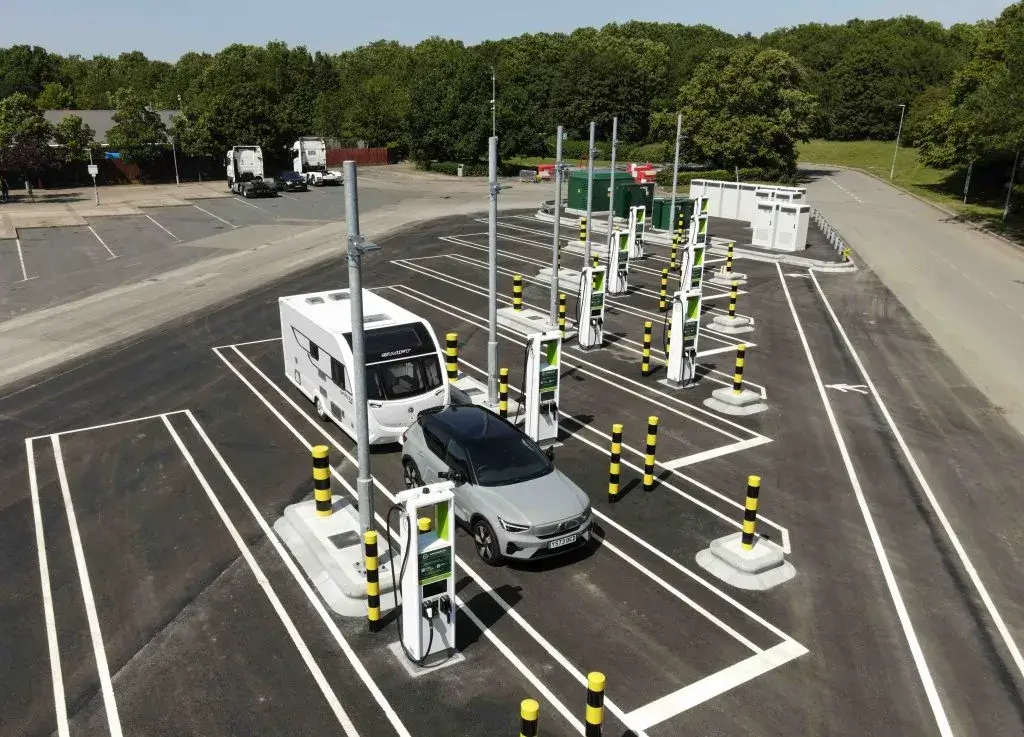
The group said a shortage of public charging remains one of the clearest barriers. It claims there are currently just 10 public zero-emission HGV charging sites nationwide.
For many operators, depot charging is also far from straightforward. Grid connection delays, site power constraints and high installation costs can make electrification difficult even where truck range and route patterns are suitable.
Warning over freight costs
SMMT is calling for what it describes as a “technology-open pathway” for HGV decarbonisation, rather than rules that effectively force operators towards one technology before the market is ready.
The organisation argues that the UK should build on existing CO₂ regulation, which is already set to deliver a 30% reduction by 2030, and extend that trajectory to a 64% reduction by 2035, before full zero-emission adoption by 2040.
SMMT says this would allow operators to invest sooner in available carbon-cutting technologies, including low- and zero-emission options, without delaying fleet renewal while they wait for electric trucks, charging infrastructure and power supply to become workable for their operations.
The warning is also framed as a cost issue for the wider economy. SMMT notes that more than 80% of UK freight depends on road transport, and says a poorly designed transition could raise costs for businesses and consumers.
The latest registration figures show that the wider HGV market is also under pressure. New HGV registrations fell by 2.7% in the first quarter, with SMMT attributing the decline partly to normalising fleet renewal after three years of post-pandemic demand, as well as a tougher economic backdrop.