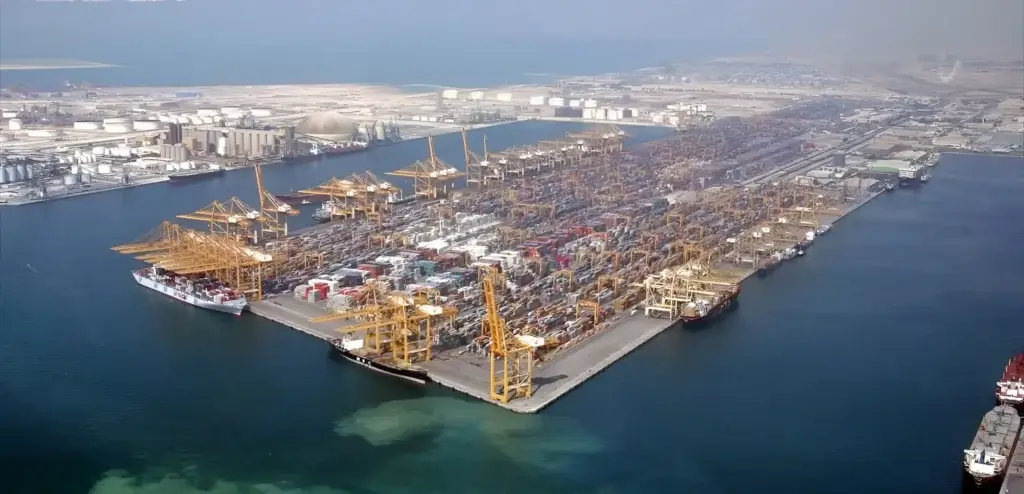
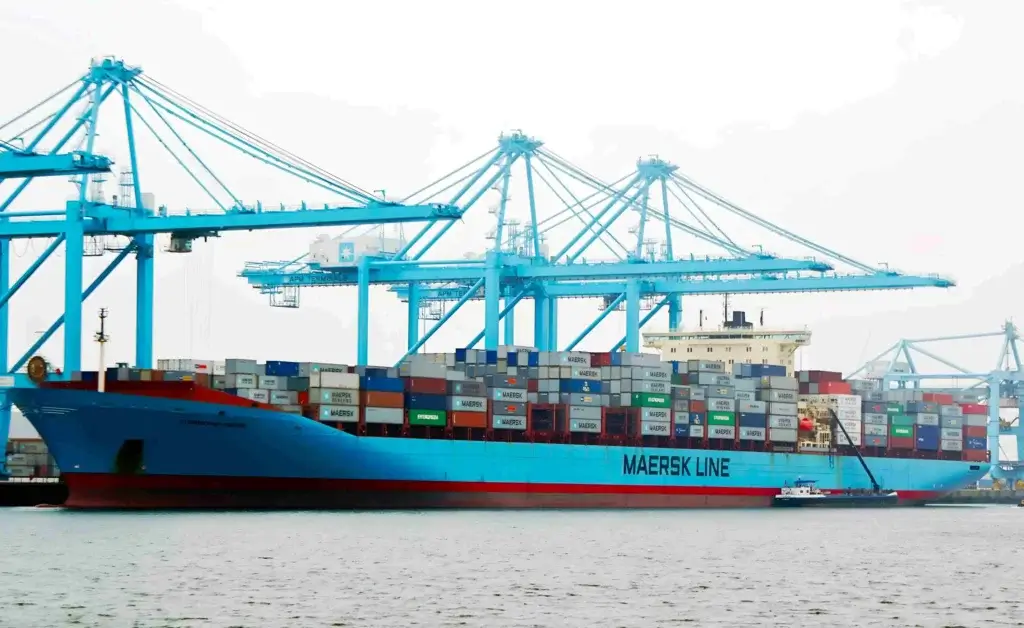
Bloomberg reported on 24 March that Iran has started charging transit fees on some commercial vessels using the Strait of Hormuz, with payments in some cases reaching $2 million per voyage. According to the report, the system does not appear to be a published, standard tariff for all ships, but rather an opaque arrangement applied to certain vessels seeking to pass safely through one of the world’s most important shipping chokepoints.
That claim sits alongside a broader shift in how Tehran is describing access to the strait. Reuters reported on 19 March that Iran was considering levying transit fees on vessels using Hormuz, citing an Iranian lawmaker. Reuters then reported on 24 March that Iran had told the UN Security Council and the International Maritime Organization that only “non-hostile” ships may transit if they coordinate with Iranian authorities and comply with Iranian security requirements.

Taken together, those reports suggest that passage through Hormuz is becoming less predictable and more conditional, even if the exact payment arrangements described by Bloomberg remain outside any formal public tariff system.
Reuters has also reported that Iran previously said the strait is open to all except vessels linked to countries it considers hostile, again pointing to a selective rather than fully open regime.
Shell warns the wider disruption could soon hit Europe
Separately, Reuters reported from the CERAWeek conference in Houston that Shell CEO Wael Sawan warned Europe could face energy shortages by next month if the disruption in the Middle East continues. He said jet fuel supplies have already been affected, with diesel likely to come under pressure next, followed by gasoline as the Northern Hemisphere driving season approaches.
Reuters said shipping through the Strait of Hormuz has been nearly halted and noted that the waterway carries around one-fifth of global oil and liquefied natural gas flows. Germany’s economy minister, Katherina Reiche, also warned that energy scarcities could emerge in late April or May if the conflict drags on.
Our related coverage examines how the war in Iran is disrupting global supply chains and why its effects are already spreading from shipping lanes to European road freight.
More than a diesel spike: Iran war hits road freight on multiple fronts (5 March 2026)
Maersk warns shipping could run short of fuel as Gulf attacks spread (12 March 2026)
Container rates start rising as the Middle East crisis adds pressure to Asia-Europe trade (13 March 2026)
AdBlue prices soar as Middle East conflict threatens European supply chains (17 March 2026)
UK diesel up nearly 20p, but government still won’t extend 5p duty cut beyond August (19 March 2026)
CMA CGM starts bypassing Hormuz as stranded cargo piles pressure on Gulf logistics (19 March 2026)


![Costs up 11%, rates up 5%: FarEye’s Suryansh Jalan on the hidden “inefficiency tax” in Europe’s last mile [INTERVIEW]](https://cdn-trans.info/uploads/2026/10/264940df8e8870b74281e69aeac-1024x769.webp)