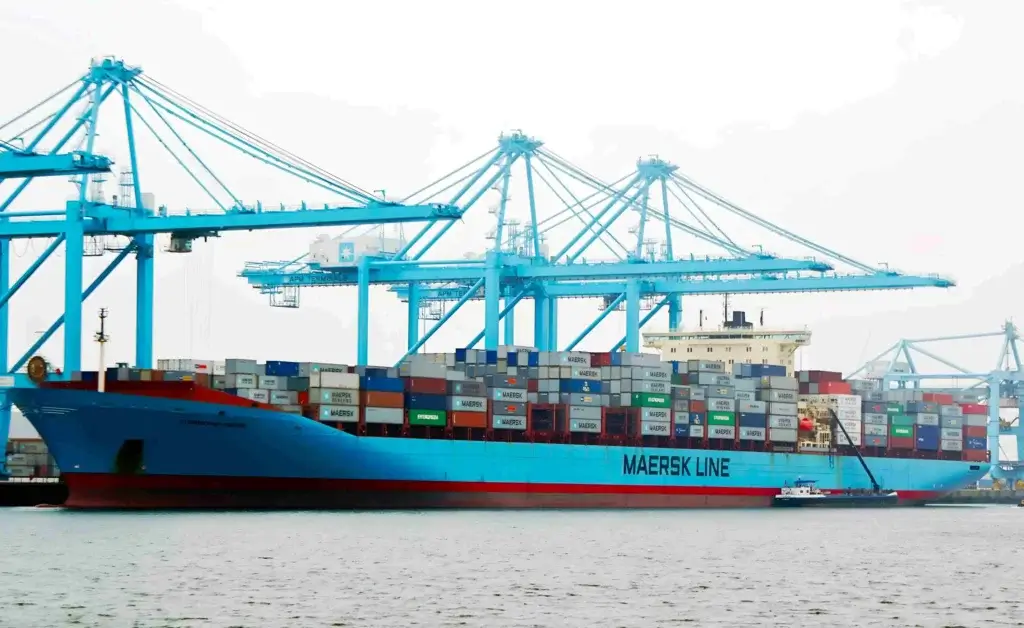
According to a joint statement, the decision applies to the ME11 service, which connects India and the Middle East with the Mediterranean. From mid-February, westbound sailings will be rerouted via the Red Sea, starting with the vessel Albert Maersk, while eastbound sailings will follow the same route from Astrid Maersk.
The carriers said all transits on the service will be secured by naval assistance. The safety of crews, vessels, and cargo remains the highest priority, with routing decisions contingent on continued regional stability and the absence of any escalation in conflicts.
When operationally feasible, Maersk and Hapag-Lloyd also plan to reroute the AE12 and AE15 services through the Red Sea and the Suez Canal at a later stage. The companies said further information will be communicated to customers and other stakeholders in due course. No additional Red Sea-related changes to the wider Gemini network are planned at this stage.
The carriers stressed that the implementation will be as unnoticeable as possible to customers, maintaining Gemini Cooperation’s focus on schedule reliability.
Return builds on Maersk’s earlier move
The decision marks a further step in the gradual return of container shipping to the Red Sea corridor. Maersk has already resumed Red Sea transits on its own services following successful trial sailings and a structural return of its MECL service to the trans-Suez route earlier this year.
That earlier move followed test transits through the Suez Canal and was described by Maersk as contingent on continued security and stability, with contingency plans in place should conditions deteriorate.
Earlier coverage: the Red Sea crisis
Maersk confirms return to Red Sea route after successful trial sailings
Red Sea routes may reopen in 2026, but the real shock could hit freight rates
Gemini won’t return to Red Sea, Maersk might
How up to 2.1 million TEU could flood Europe if the Suez route re‑opens
UN: Global shipping faces weak growth in 2025 as rerouting, costs and new rules reshape trade